

There is a particular kind of concern that settles in when you close the door of your Paris apartment and leave for several months. You have arranged a cleaner. A neighbour has a spare key. The syndic has your email address. And yet the property will sit there, unoccupied, inside a Parisian building that continues to age, to move, to experience whatever the season brings — without anyone specifically responsible for watching over it.
Home watch is the professional answer to that concern. It is not emergency management, not maintenance coordination, and not concierge preparation. It is the systematic, documented surveillance of a vacant property — conducted by someone who knows what to look for, records what they find, and acts on what requires attention before it becomes a problem that costs significantly more to resolve.
In Paris, where buildings are old, co-ownership structures are complex, and the gap between a slow leak and a major water damage claim can be measured in weeks, this kind of professional oversight has a practical value that is easy to underestimate — until the moment it is needed.
Real Estate Caretaking provides structured home watch services for foreign property owners across central Paris. This page explains what a professional inspection programme involves, why vacancy is a specific and underappreciated risk for Parisian apartments, and how systematic monitoring differs from the informal arrangements that most owners start with. For a broader overview of the team’s property management approach, the simplifying the management of your property page provides useful context.

Why a Vacant Paris Apartment Is Not a Passive Object
The instinct to think of a locked, empty apartment as safe is understandable. Nothing is happening; therefore, nothing can go wrong. The reality is more nuanced, and in Paris specifically, vacancy introduces a set of risks that occupied properties do not face — or face less acutely.
Buildings do not pause when owners leave
A Parisian immeuble is a living structure. Water runs through shared pipes that serve every floor. Roofs and gutters process whatever rain, leaves, and debris the season deposits. Boilers cycle on and off. Windows expand in summer heat and contract in winter cold. The building around your apartment continues operating regardless of whether you are there — which means problems in that building can reach your apartment whether or not anyone is present to notice.
A water infiltration from a cracked roof joint does not begin dramatically. It begins as a damp patch on a ceiling that, left unobserved for six weeks, becomes a structural issue involving the co-ownership, your insurer, and a repair estimate that could have been a tenth of its eventual cost if caught early.
Insurance coverage and the vacancy question
This is a dimension of vacant property ownership that is frequently misunderstood. Many standard home insurance policies contain clauses that modify coverage for properties left unoccupied beyond a certain period — commonly 30, 60, or 90 consecutive days, depending on the policy and the insurer. The specific terms vary considerably, and it is essential to read your own policy carefully and, where necessary, speak directly with your insurer.
What is consistent across most policies is the expectation of reasonable care and surveillance. A professional home watch programme — with documented inspection reports, dated photographs, and a clear record of visits — constitutes verifiable evidence that the property was not simply abandoned. In the event of a claim, this documentation can be material to the outcome. This is one of the more concrete, practical arguments for structured home watch that owners tend not to consider until after they have had cause to make a claim.
If you have any uncertainty about your coverage or obligations as a non-resident property owner, the appropriate step is to consult your insurer directly and, where legal questions arise, to seek advice from a French notaire or legal professional.
The slow problems that vacancy hides
Occupied properties have an informal surveillance system built in: the owner uses the kitchen tap and notices the pressure has dropped; they turn on the heating and hear that the boiler is making a new sound; they open the bathroom window and notice the frame is warped. None of this happens in a vacant property. The slow drip under the sink reaches the floor below before anyone is aware of it. The window that no longer seals properly allows moisture in every time it rains. The boiler that has not been used in four months fails on the first cold day of the season.
Home watch exists to perform that informal surveillance formally. A trained eye visiting the property regularly, checking the same systems in the same order, is the functional equivalent of an occupant’s passive awareness — made systematic and documented.

What a Professional Home Watch Programme Involves in Practice
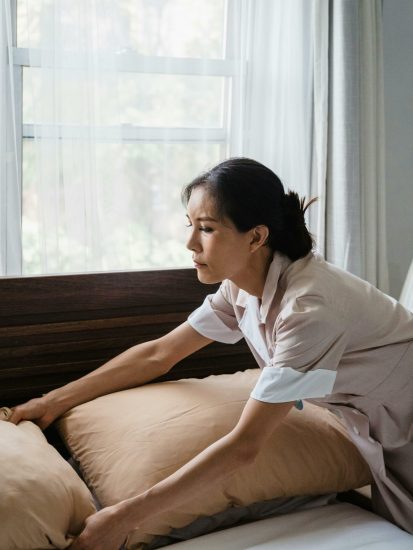
The term home watch, like concierge or property management, is used loosely enough that it is worth being precise about what a professional programme actually entails — and what distinguishes it from a neighbourly check-in or a cursory visit.
A structured inspection protocol
Each visit follows a consistent sequence. The inspector works through the property systematically: entrance and hallway, each room in turn, kitchen plumbing and appliances, bathrooms, windows and shutters on every elevation, the heating system, the electrical panel, any outdoor access points, and the building letterbox. The consistency matters as much as the frequency. An inspection that covers different things each time does not produce a reliable baseline against which to measure change.
The team checks for visible signs of water infiltration — staining, damp patches, swelling of wall surfaces or flooring, condensation on windows and pipes. They verify that the heating system is operational and set to a frost-protection temperature during cold months. They check that windows and shutters are properly secured. They run water briefly through taps, toilets, and drains to prevent the drying out of pipe seals that occurs in long periods of vacancy. They note any changes in the building’s common areas that may be relevant to the property.
Written reports with photographic documentation
Every visit produces a written report. This is not a formality — it is the core output of the service. The report records the date and duration of the visit, the condition of each area inspected, any observations that warrant attention, and any action taken or recommended. Photographs accompany the written observations, providing a visual record that is timestamped and sequenced.
Over time, these reports create a maintenance history for the property. When a problem appears, the inspection record shows exactly when it first became visible — which is valuable information for an insurance claim, for a dispute with the syndic about responsibility for damage, or simply for understanding the cause of a problem before instructing a repair.
A selection of the kinds of situations the team has documented and resolved on behalf of owners is available in the photo gallery of completed projects, which gives a concrete sense of the range of maintenance and emergency situations that arise in Paris properties.

Graduated response based on what is found
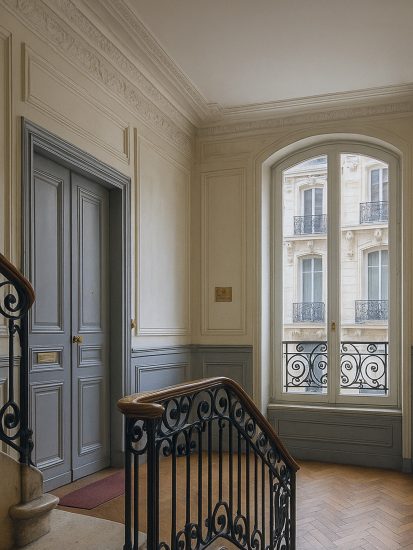
Not everything found during an inspection requires the same response. The team distinguishes between observations that are worth monitoring at the next visit, issues that require a specific action within a defined timeframe, and situations that require immediate intervention.
The owner is notified of anything that moves into the second or third category, with a clear account of what was observed, what the team recommends, and what the likely consequences of delay would be. Routine visits that find nothing of concern are summarised in the standard report without generating unnecessary communication. The aim is to keep the owner appropriately informed — not to create the impression of activity through a volume of messages.
Threshold agreements and authorised actions
Before the programme begins, the team agrees with the owner on the thresholds that govern autonomous action. Below a certain expenditure threshold — set by the owner — the team can instruct a repair or arrange a plumber’s visit without waiting for approval. Above that threshold, the team seeks the owner’s authorisation before proceeding, presenting the situation and the options clearly.
This structure is particularly important for owners who are difficult to reach quickly — whether because of travel, time zones, or simply the pace of working life. It ensures that minor issues are resolved without bureaucratic delay, while significant decisions remain with the owner.

Home Watch in Paris: A Seasonal Perspective
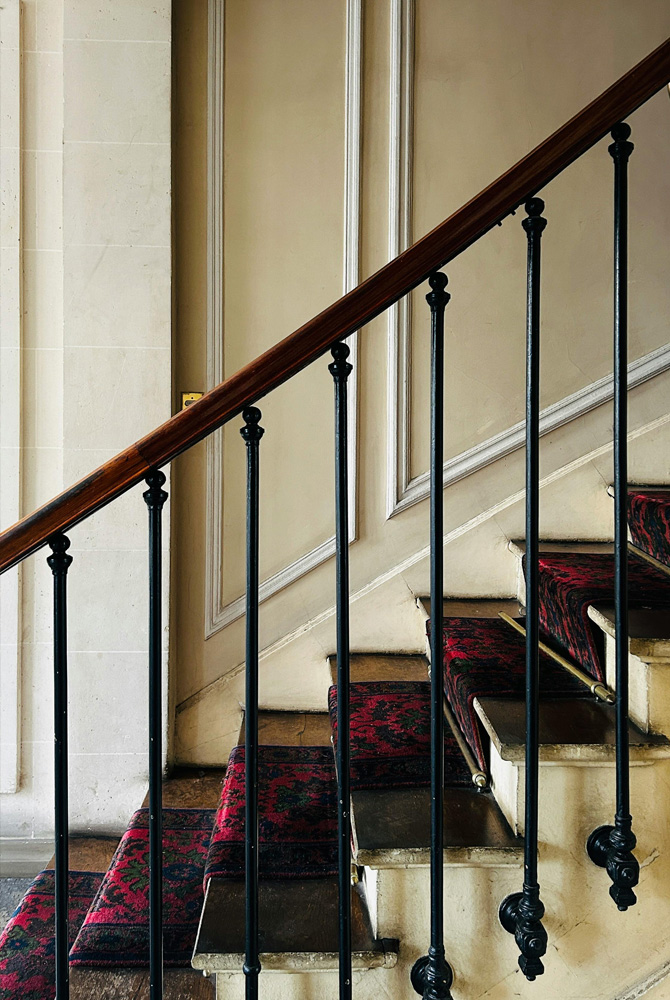
Paris has a temperate climate, but its older building stock is genuinely sensitive to seasonal change. The risks that a home watch programme addresses are not uniformly distributed through the year — they follow predictable patterns that an experienced team plans for in advance.
| Season | Primary Risks | Watch Priority |
|---|---|---|
| Autumn (Sep–Nov) | Roof drainage, blocked gutters, early heating checks, leaf accumulation in courtyards. | Monthly visits recommended as buildings transition to winter mode. |
| Winter (Dec–Feb) | Boiler failure, frozen pipes in exposed areas, condensation and damp build-up, short-circuit risk caused by cold weather. | Priority season — visit frequency often increased, with heating system verification considered essential. |
| Spring (Mar–May) | Post-winter damp assessment, window joint inspection, and the beginning of the main building works season. | Peak period for works coordination, increased syndic communications, and annual general meetings. |
| Summer (Jun–Aug) | Heat-related swelling of window frames, insect entry, roof terrace drainage issues, and prolonged vacancy. | Many owners are away for extended periods, making this the longest vacancy season and requiring heightened vigilance. |
Understanding this seasonal rhythm is part of what distinguishes professional home watch from ad hoc visits. The team adjusts the inspection focus according to the season — in winter, the heating system and pipe integrity take priority; in summer, window seals and roof drainage receive more attention. The frequency of visits may also increase during periods of elevated risk or when building works are underway in the immeuble. The practical implications of long-term vacancy — and the specific vulnerabilities it creates in Parisian apartments — are covered in more detail in the article on maintaining your second home from abroad. That article focuses on the maintenance dimension; this page focuses on the surveillance and documentation programme that makes proactive maintenance possible
What Home Watch Is Not — and Why the Distinction Matters
Home watch is a surveillance and early-warning function. It is not a substitute for property management, emergency response, or concierge services — though it works alongside all of them, and the same team provides each.
A home watch programme will detect a developing water infiltration during a routine visit. It will not, on its own, coordinate the subsequent claim process, engage a restoration contractor, attend the expert’s assessment, and supervise the repair work. Those are property management and emergency response functions — distinct in scope, though often sequential in practice.
For American owners whose primary concern is the full breadth of non-resident property oversight — from routine surveillance through to crisis management — the dedicated page on property management in Paris for American owners covers the complete picture. For owners with a second home or pied-à-terre used seasonally, the second home management in Paris page addresses the specific considerations that apply to properties occupied only part of the year.
The distinction between a home watch programme and a broader management relationship is worth discussing directly with the team, as the appropriate scope depends on how the property is used, its history, its building environment, and the owner’s specific concerns.

Frequently asked questions
The questions below address what foreign owners most commonly ask about home watch services in Paris. Further information on property oversight and management is available on the frequently asked questions page.
How is a professional home watch service different from asking a neighbour to check the apartment?
The difference is structure, documentation, and accountability. A neighbour will notice something obviously wrong — a door left open, a visible flood. They will not conduct a systematic inspection, check the heating system, run water through the drains, assess the window seals, review the electrical panel, or produce a written report with photographs. They also carry no professional responsibility for what they miss. A home watch programme is a contracted service with a defined scope, a consistent methodology, and a documented record of every visit.
How frequently should a vacant Paris apartment be inspected?
For most properties, monthly visits provide a reliable baseline. During higher-risk periods — deep winter, extended vacancy of four months or more, or when building works are underway in the immeuble — more frequent visits are advisable. Properties with a known history of water issues may warrant bi-weekly inspections during wet or cold months. The appropriate frequency is discussed and agreed at the outset, and can be adjusted at any time.
What does the inspection report include?
Each report covers the date of the visit, the general condition of the property by area, specific observations of anything that has changed since the previous visit, photographs of anything noteworthy, and a clear summary of any actions taken or recommended. The reports are written in English and sent to the owner shortly after each visit. Over time, they constitute a maintenance log that is useful for insurance purposes, for managing relationships with the syndic, and for making informed decisions about repairs and improvements.
Can the home watch team act on what they find without contacting me first?
Within the thresholds agreed at the start of the engagement, yes. Minor interventions — turning off a dripping tap, reporting an issue to the syndic, arranging an urgent plumber’s visit — can be authorised below an agreed expenditure level without requiring the owner’s prior approval for each action. Anything above that threshold is reported to the owner with a recommendation before any commitment is made. This structure keeps the property protected without creating an administrative burden for the owner.
Does a professional home watch programme affect my insurance coverage?
This is a question for your insurer rather than for a property management team. What can be said is that documented professional surveillance — inspection reports, dated photographs, a clear record of visits — provides verifiable evidence that the property was not left unattended. Many insurers look favourably on this, and in the event of a claim involving a property that was empty at the time of an incident, this documentation can be relevant to how the claim is assessed. Always review your specific policy terms and speak directly with your insurer if you have questions about vacancy clauses.
What happens between visits?
Between scheduled inspections, the team remains accessible for anything that arises from the building or the neighbourhood. If the syndic sends an urgent communication, if a neighbour reports something, or if a building emergency is declared by the immeuble’s management, the team responds as the situation requires. The home watch programme sets the rhythm; the management relationship provides the capacity to respond outside that rhythm when necessary.
Is home watch relevant for properties that are also used as occasional rentals?
If the property is rented to friends or family on an occasional basis, home watch remains relevant during the periods of vacancy between those uses. A professional surveillance programme is specifically designed for unoccupied intervals — ensuring the property is in good condition before each stay and that any issues arising after departure are caught promptly. For properties with more complex rental arrangements, the appropriate scope is worth discussing directly.
How does the team know my property well enough to notice what is new or different?
The first visit to a newly enrolled property is longer than a routine inspection — it establishes the baseline. The team documents the condition of every area in detail, notes any existing issues, and photographs the property systematically. This baseline is the reference point against which every subsequent visit is assessed. Over time, the team develops a detailed familiarity with the property’s specific characteristics: which areas are more prone to damp, how the heating system behaves, where the building’s structural sensitivities lie.
The questions below address what foreign owners most commonly ask about home watch services in Paris. Further information on property oversight and management is available on the frequently asked questions page.
How is a professional home watch service different from asking a neighbour to check the apartment?
The difference is structure, documentation, and accountability. A neighbour will notice something obviously wrong — a door left open, a visible flood. They will not conduct a systematic inspection, check the heating system, run water through the drains, assess the window seals, review the electrical panel, or produce a written report with photographs. They also carry no professional responsibility for what they miss. A home watch programme is a contracted service with a defined scope, a consistent methodology, and a documented record of every visit.
How frequently should a vacant Paris apartment be inspected?
For most properties, monthly visits provide a reliable baseline. During higher-risk periods — deep winter, extended vacancy of four months or more, or when building works are underway in the immeuble — more frequent visits are advisable. Properties with a known history of water issues may warrant bi-weekly inspections during wet or cold months. The appropriate frequency is discussed and agreed at the outset, and can be adjusted at any time.
What does the inspection report include?
Each report covers the date of the visit, the general condition of the property by area, specific observations of anything that has changed since the previous visit, photographs of anything noteworthy, and a clear summary of any actions taken or recommended. The reports are written in English and sent to the owner shortly after each visit. Over time, they constitute a maintenance log that is useful for insurance purposes, for managing relationships with the syndic, and for making informed decisions about repairs and improvements.
Can the home watch team act on what they find without contacting me first?
Within the thresholds agreed at the start of the engagement, yes. Minor interventions — turning off a dripping tap, reporting an issue to the syndic, arranging an urgent plumber’s visit — can be authorised below an agreed expenditure level without requiring the owner’s prior approval for each action. Anything above that threshold is reported to the owner with a recommendation before any commitment is made. This structure keeps the property protected without creating an administrative burden for the owner.
Does a professional home watch programme affect my insurance coverage?
This is a question for your insurer rather than for a property management team. What can be said is that documented professional surveillance — inspection reports, dated photographs, a clear record of visits — provides verifiable evidence that the property was not left unattended. Many insurers look favourably on this, and in the event of a claim involving a property that was empty at the time of an incident, this documentation can be relevant to how the claim is assessed. Always review your specific policy terms and speak directly with your insurer if you have questions about vacancy clauses.
What happens between visits?
Between scheduled inspections, the team remains accessible for anything that arises from the building or the neighbourhood. If the syndic sends an urgent communication, if a neighbour reports something, or if a building emergency is declared by the immeuble’s management, the team responds as the situation requires. The home watch programme sets the rhythm; the management relationship provides the capacity to respond outside that rhythm when necessary.
Is home watch relevant for properties that are also used as occasional rentals?
If the property is rented to friends or family on an occasional basis, home watch remains relevant during the periods of vacancy between those uses. A professional surveillance programme is specifically designed for unoccupied intervals — ensuring the property is in good condition before each stay and that any issues arising after departure are caught promptly. For properties with more complex rental arrangements, the appropriate scope is worth discussing directly.
How does the team know my property well enough to notice what is new or different?
The first visit to a newly enrolled property is longer than a routine inspection — it establishes the baseline. The team documents the condition of every area in detail, notes any existing issues, and photographs the property systematically. This baseline is the reference point against which every subsequent visit is assessed. Over time, the team develops a detailed familiarity with the property’s specific characteristics: which areas are more prone to damp, how the heating system behaves, where the building’s structural sensitivities lie.
Consistent Surveillance for a Property That Cannot Look After Itself
A home watch programme is, at its core, an act of professional attention. The property cannot observe its own condition. An occasional visitor cannot observe it reliably. A structured, documented inspection programme by someone who knows the property and knows what to look for is the practical solution to a gap that almost every foreign property owner eventually recognises.
Real Estate Caretaking has been providing property oversight for international owners in Paris for years. The team’s approach to this work is outlined on the who we are and our philosophy pages — both of which give a clear sense of how the service is designed and what values guide it.
For owners who are considering what level of oversight their property needs — whether home watch alone, or home watch as part of a broader management arrangement — the team welcomes a confidential initial conversation. You are welcome to contact us directly at any time.
For further reading, the Real Estate Caretaking blog covers practical topics relevant to non-resident ownership in Paris, including the article on what happens when the unexpected occurs in a Paris apartment — which illustrates in concrete terms why the gap between a problem occurring and someone responding to it is one of the most consequential variables in property protection.
Let's stay connected
Contact your agent
Real Estate Caretaking supports you every step of the way: searching, purchasing, rental management, or monitoring your second home.
A tailor-made solution for investing or living in Paris with complete peace of mind.
- +33 (0) 6 79 99 69 76
- martinehillion@gmail.com