

Paris is not one property market. It is a collection of distinct neighbourhoods, each with its own building stock, its own co-ownership culture, its own maintenance challenges, and its own artisan landscape. Managing a property in Le Marais requires different knowledge from managing one near the Eiffel Tower. The 16th arrondissement’s multigenerational family buildings operate on different principles from the prestige residences of the 8th. Saint-Germain-des-Prés has its own moisture dynamics, its own gardien relationships, its own standard of finish expectation.
Real Estate Caretaking operates across the neighbourhoods and arrondissements where international property owners most commonly own in Paris. Each area covered on this page has a dedicated page explaining the specific management considerations that apply — the building types, the co-ownership dynamics, the artisan requirements, and the particular challenges that a non-resident owner is likely to encounter there.
This page serves as the map. The neighbourhood pages provide the detail.
Why the Neighbourhood Matters for Property Management
Foreign buyers sometimes approach Paris as if it were a uniform market where the same management approach applies everywhere. The most consistent lesson from years of managing properties across the city’s central arrondissements is that it does not.
The pre-Haussmannian fabric of the Marais — with its converted private mansions, its complex co-ownerships, and its heritage constraints — creates management challenges that simply do not exist in a standard Haussmannian building in the 7th. The Art Nouveau buildings of the 16th require artisans with specialist restoration knowledge that a general property manager’s contact list does not contain. The Triangle d’Or in the 8th demands confidentiality protocols and ultra-premium artisan networks that are specific to this end of the market.
The practical consequence of this is that neighbourhood-specific knowledge — knowing which syndics are reliable in a given building type, which artisans work to the right standard for a given architectural context, which streets carry specific moisture or access risks — is not a luxury. It is the foundation of effective local management.
Paris Areas Covered: Management Profile at a Glance
The table below maps each area to its key management characteristics and the type of property most commonly found there.
| Area | Management Profile | Typical Property Types |
|---|---|---|
| Le Marais (3rd & 4th) | Pre-Haussmannian fabric, converted hôtels particuliers, heritage constraints, complex co-ownerships | Historic buildings, lofts, courtyard apartments |
| Saint-Germain-des-Prés (6th) | Haussmannian prestige, gardien buildings, Left Bank premium, moisture near the Seine | Classic floor-throughs, literary address pied-à-terres |
| Eiffel Tower area (7th) | Tourist density, event calendar access, view-property maintenance, governmental security | Family apartments, view-facing residences |
| 7th Arrondissement | Ministerial streets, Invalides residential, Alma riverside, Rue du Bac sector | Grand family apartments, diplomatic neighbourhood |
| 6th Arrondissement | Odéon mixed-use, Luxembourg premium, Saint-Sulpice academic, Mabillon animated | Pied-à-terres, academic furnished lets, prestige flats |
| 16th Arrondissement | Art Nouveau & Art Déco heritage, multigenerational family ownership, Bois de Boulogne adjacency | Large family apartments, heritage-listed buildings |
| 8th Arrondissement | Triangle d'Or, Parc Monceau, ultra-HNWI profile, confidentiality protocols, converted institutions | Prestige residences, luxury pied-à-terres |
The Neighbourhoods and Arrondissements: What to Expect
Le Marais — 3rd and 4th arrondissements
Le Marais is the part of Paris that most resisted Haussmann’s transformation, which is why it retains a building fabric that predates the nineteenth century. Private mansions converted into apartments over successive decades, irregular co-ownership structures, courtyards accessible only through porte cochère entrances, and a significant heritage protection framework administered by the Architectes des Bâtiments de France: these are the defining features of property management in the Marais.
For non-resident foreign owners, the Marais combines genuine architectural distinction with a set of management demands that are more complex than those found in standard Haussmannian arrondissements. The artisan network must include specialist restorers, not simply competent general trades. The co-ownership documents must be understood in detail before any works are planned. And the logistics of access in a building with a locked courtyard, no gardien, and a complex key sequence require active local management.
Full details on the Marais management environment are available on the property management in Le Marais page.
Saint-Germain-des-Prés — 6th arrondissement (Left Bank prestige)
Saint-Germain-des-Prés is the arrondissement that carries the strongest cultural mythology for international buyers — and one of the most demanding management environments in terms of the standard expected. Haussmannian buildings with professional syndics, gardiens who are still present in many of the better buildings, and a neighbourhood culture that rewards consistent maintenance and penalises visible neglect: these are the characteristics that define property ownership here.
The moisture dimension of the 6th — ground-level damp in streets closest to the Seine, condensation issues in lower floors during wet months — is a specific management consideration that owners of properties in this arrondissement encounter more often than those further from the river. The premium finish standard expected in this market means that deferred maintenance is more visible and more costly to reverse here than in most other arrondissements.
The dedicated page on property management in Saint-Germain-des-Prés covers the arrondissement’s four management micro-sectors in detail.
Near the Eiffel Tower — Gros-Caillou and Champ-de-Mars sector
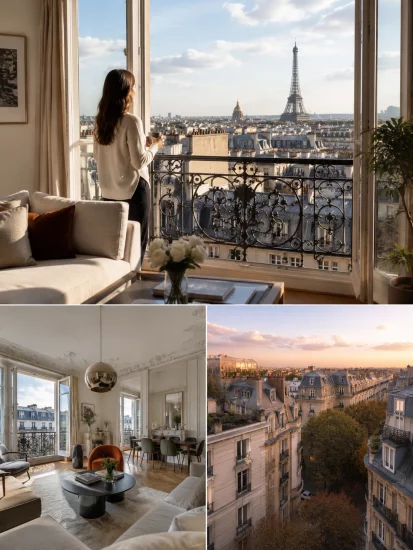
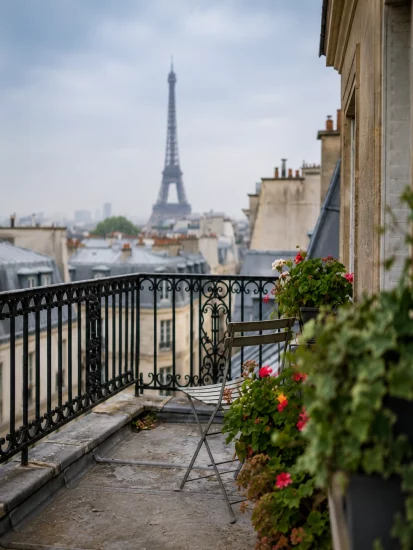
The streets immediately surrounding the Eiffel Tower and the Champ-de-Mars occupy a specific management category within the broader 7th arrondissement. Tourist density, event-related access constraints during major calendar events, the maintenance demands of view-facing properties whose windows and balconies are the primary financial asset, and the presence of institutional co-owners in some buildings: these are considerations specific to this geographical pocket.
Managing access for artisans during the July 14 period, planning maintenance works around the neighbourhood’s event calendar, and protecting the glazing and terraces that give view-facing apartments their value premium are management functions that require local knowledge calibrated to this area specifically.
The property management near the Eiffel Tower page addresses these sector-specific management considerations in detail.
7th Arrondissement — beyond the Eiffel Tower sector
The 7th arrondissement is larger and more varied than its reputation as a single prestigious address suggests. The ministerial streets of the Rue de Varenne and Rue de Grenelle corridor, the residential calm of the Invalides and Saint-François-Xavier sectors, the riverside addresses of the Alma quarter, and the commercially adjacent streets around the Rue du Bac: each carries a distinct management profile.
Security-related access constraints near government buildings, the scale of the arrondissement’s large family apartment stock, and the strong community co-ownership culture of the Invalides sector are all management dimensions that are specific to the 7th and that require local knowledge to navigate effectively.
Full detail on the 7th arrondissement’s management landscape — beyond the Eiffel Tower sector — is available on the property management in the 7th arrondissement page.
6th Arrondissement — the full arrondissement picture
Beyond the specific Saint-Germain-des-Prés character, the 6th arrondissement contains four distinct management micro-environments: the Odéon sector with its mixed residential and commercial co-ownerships, the Luxembourg sector with its premium residential buildings, the Saint-Sulpice sector with its academic rental dimension, and the Rue de Buci and Mabillon sector with its animated street life and older building stock.
Each sector has specific management implications — for inspection priorities, for artisan selection, for the management of lets in the academic rental market, and for the co-ownership dynamics that arise in buildings where commercial and residential uses coexist.
The property management in the 6th arrondissement page maps each micro-sector and its specific management considerations.
16th Arrondissement — Passy, La Muette, Auteuil
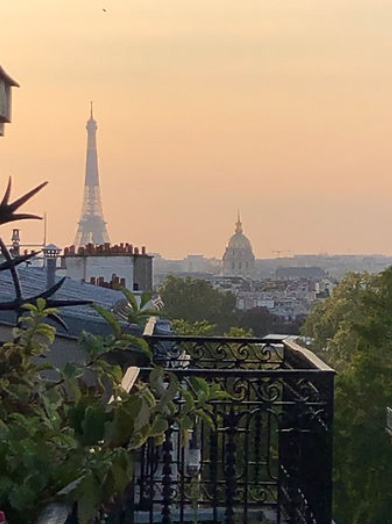
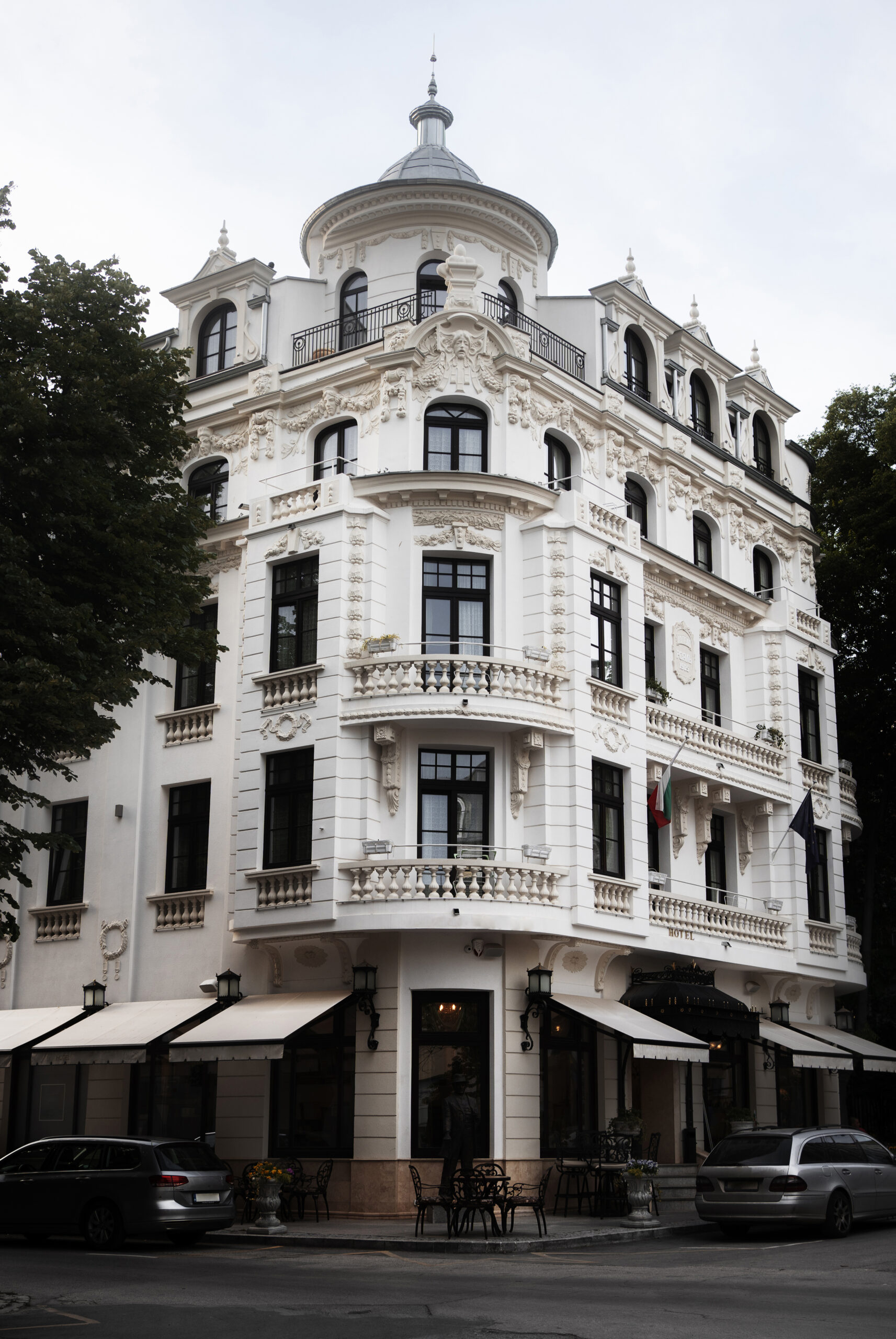
The 16th is the arrondissement of multigenerational family ownership, Art Nouveau and Art Déco architectural heritage, and large apartments whose management complexity is proportionate to their size and architectural distinction. The Guimard buildings of the Auteuil sector, the Art Déco residences near the Trocadéro, and the family buildings of Passy and La Muette represent a management environment that is unlike any other in Paris.
Heritage constraints on exterior works, the social dynamics of co-ownerships where the same families have owned for decades, the maintenance implications of proximity to the Bois de Boulogne, and the specialist artisan requirements of early twentieth-century buildings: these are the defining management characteristics of the 16th.
The property management in the 16th arrondissement page covers these considerations in detail.
8th Arrondissement — Triangle d’Or, Parc Monceau, Madeleine
The 8th is the most internationally oriented of Paris’s central arrondissements and the one where luxury property management converges most directly with the specific requirements of ultra-high-net-worth foreign owners. The Parc Monceau sector’s extraordinary residential buildings, the Triangle d’Or’s prestige residences with their confidentiality requirements, and the Madeleine sector’s commercially adjacent co-ownerships each require a management approach calibrated to their specific register.
Confidentiality protocols, ultra-premium artisan networks, bespoke co-ownership structures in converted institutional buildings, and the specific security dimension of managing properties for owners whose address privacy is a genuine concern: these are the management characteristics that define the 8th.
The dedicated page on luxury property management in the 8th arrondissement addresses these specific considerations.

What Every Paris Neighbourhood Has in Common
Different as these areas are in their architectural character, their co-ownership culture, and their specific maintenance demands, they share several things that are true of property management across all of central Paris.
Every neighbourhood has a co-ownership that does not pause when the owner is abroad. Every building generates correspondence in French, on its own schedule, that requires a local presence to read, understand, and act on. Every property is subject to the ordinary risks of Parisian urban life — water infiltration, heating failures, electrical issues, building works — that require a fast local response to contain effectively.
And in every neighbourhood, the difference between a property that is properly managed and one that is left to run on its own is visible in the property’s condition, in the owner’s relationship with their building, and eventually in the asset’s value.
The team’s approach to property management across all these areas is described on the simplifying the management of your property page. For owners considering the appropriate level of oversight for their specific property and neighbourhood, a confidential initial conversation is the best starting point.
Management Services Available Across All Areas
Regardless of which neighbourhood your Paris property is in, the same core management services are available — structured around your property’s specific characteristics and your situation as a non-resident owner.
For American owners across all areas, the property management in Paris for American owners page addresses the US-specific management context.
For owners whose property is used as a second home or seasonal residence, the second home management in Paris page covers the specific considerations of occasional-use properties.
For high-value properties requiring specialist artisan networks and enhanced discretion, the luxury property management page describes the management approach appropriate for this category.
For owners whose primary concern is systematic property surveillance during extended periods of vacancy, the home watch services page explains the structured inspection programme available across all areas.
Additional Areas
Real Estate Caretaking’s operational coverage extends beyond the arrondissements and neighbourhoods listed above. If your property is in a part of central Paris not specifically covered on one of the neighbourhood pages, the team can discuss the management considerations specific to your location directly.
Further neighbourhood-specific pages covering additional parts of Paris are being added progressively. If you are looking for information about a specific street or sector not yet covered, the most direct approach is a conversation with the team.
Find the Right Management for Your Paris Neighbourhood
Local knowledge is not a general-purpose resource. It is specific to buildings, streets, artisan networks, and co-ownership cultures that take years of active presence to understand properly. The neighbourhood pages on this site are an attempt to make that knowledge accessible — to give foreign owners a clear account of what managing a property in their part of Paris actually involves.
To understand more about the team behind these services, the who we are page and the our philosophy page give a clear account of how Real Estate Caretaking works and what it stands for.
For a confidential conversation about your property and the management support appropriate for its neighbourhood, you are welcome to contact us directly. The frequently asked questions page covers many of the questions that arise when considering a management arrangement for the first time.
For further reading on the realities of owning and managing property in Paris as an international owner, the Real Estate Caretaking blog covers practical topics across the full range of management situations that arise in the city’s central arrondissements.
Let's stay connected
Contact your agent
Real Estate Caretaking supports you every step of the way: searching, purchasing, rental management, or monitoring your second home.
A tailor-made solution for investing or living in Paris with complete peace of mind.
- +33 (0) 6 79 99 69 76
- martinehillion@gmail.com