

The 6th arrondissement is often described as a single address. In practice, it is four or five distinct neighbourhoods compressed into one administrative unit, each with its own street-level character, its own real estate micro-market, and its own specific management considerations for foreign owners.
An apartment on the Place de l’Odéon, a studio on a quiet street behind Saint-Sulpice, a large family flat overlooking the Luxembourg Gardens, a pied-à-terre tucked into the lanes of the Rue de Buci quarter: these are not the same type of property to manage, even though they share the same arrondissement code. Understanding which part of the 6th your property sits in — and what that means for maintenance, co-ownership dynamics, and the availability of trades — is the starting point for managing it well.
This page addresses the management considerations that are specific to the 6th arrondissement, building on the detailed overview of the neighbourhood’s general management profile available on the property management in Saint-Germain-des-Prés page. The focus here is on the arrondissement’s micro-geography and the management implications that flow from it.
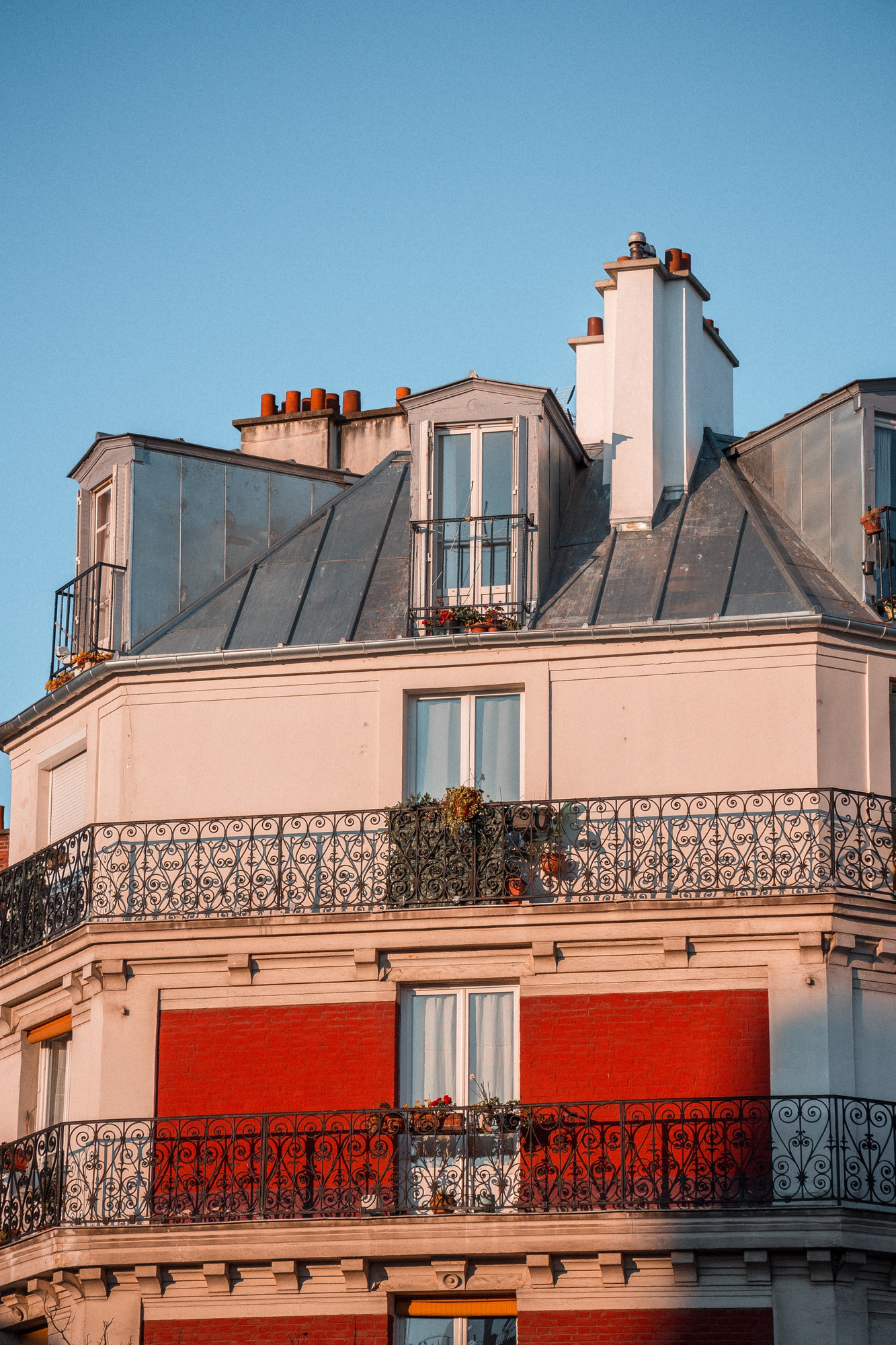
Four Management Micro-Environments
The Odéon sector: cultural intensity and co-ownership complexity
The streets immediately surrounding the Odéon theatre — Rue de l’Ancienne Comédie, Carrefour de l’Odéon, Rue Monsieur le Prince — combine residential apartments with a concentration of restaurants, bars, and cultural venues that gives this pocket of the 6th a character closer to the Latin Quarter than to the quieter streets near the Luxembourg Gardens. For property owners, this creates specific management considerations.
Buildings in this sector experience higher foot traffic on adjacent streets, which accelerates wear on building entrances and common areas. The mix of residential and commercial uses within some buildings creates co-ownership assemblies where the interests of residential owners and commercial co-owners do not always align — a restaurant lease on the ground floor affects the building’s noise profile, its insurance situation, and sometimes its structural maintenance priorities in ways that a purely residential co-ownership does not face.
The buildings themselves are frequently older than the Haussmannian stock that dominates the southern part of the arrondissement — some streets in the Odéon sector retain seventeenth and eighteenth-century fabric with the plumbing and electrical profiles that implies. A local management team familiar with these buildings understands which blocks carry specific maintenance risks and which have been more thoroughly modernised.
The Luxembourg sector: residential calm and premium expectations
The streets between the Luxembourg Gardens and the Boulevard Saint-Michel — Rue Auguste Comte, Rue d’Assas, Avenue de l’Observatoire — are among the most sought-after residential addresses in Paris. The proximity to the Gardens, the quality of the Haussmannian building stock, and the relative calm of the streets make this one of the arrondissement’s most consistently desirable corners for international buyers.
Co-ownerships in this sector tend to be well-managed and financially sound. The buildings were built for bourgeois Parisian families and have been maintained to the standard that implies. The owners who live here — or who own here as a second home — expect a level of building maintenance and administrative competence that the syndics in this sector generally provide.
For foreign owners, the specific management challenge in the Luxembourg sector is the standard of ongoing maintenance expected of the private apartment. A property in this market whose finishes have been allowed to drift — whose paintwork is tired, whose fixtures are dated, whose windows no longer function smoothly — is immediately visible as out of step with its surroundings. The management programme for a property here needs to be attentive to this baseline, not just to emergencies.
The Saint-Sulpice sector: the academic neighbourhood
The streets around the Place Saint-Sulpice and toward the Boulevard Saint-Germain — Rue du Vieux-Colombier, Rue du Four, Rue de Rennes — carry a different character from the Luxembourg sector. This is the heart of the academic and publishing world that has defined the Left Bank for generations: Sciences Po is nearby, the EHESS is a few streets away, and the concentration of bookshops, academic publishers, and cultural institutions gives the neighbourhood its particular intellectual identity.
For property management, the academic character of the neighbourhood has a practical implication: a higher proportion of apartments are let — sometimes long-term to academics, visiting faculty, or researchers — than in the more purely residential sectors of the arrondissement. For foreign owners who let their property, the tenant profile in this sector tends to be reliable and the rental market well-established, but the specific regulations around furnished rental and the encadrement des loyers apply here as much as anywhere in Paris.
The buildings in the Saint-Sulpice sector are predominantly Haussmannian, well-documented, and managed by professional syndics. The management considerations are broadly similar to those of the Luxembourg sector — with the added dimension, for owners who let their property, of the tenant relationship and all that it entails for a non-resident landlord.
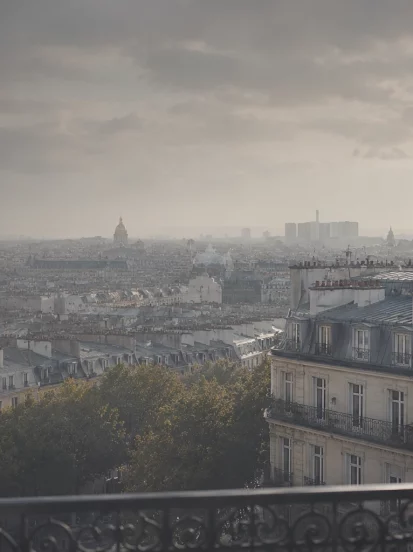
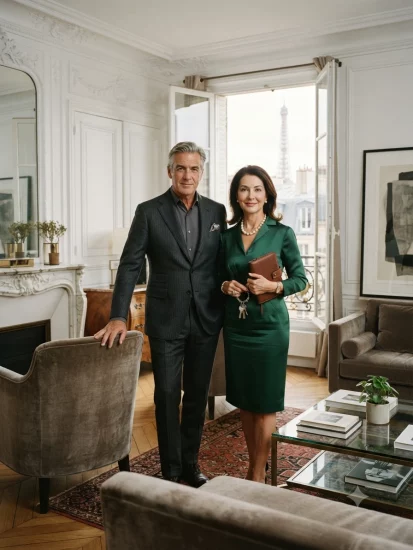
The Rue de Buci / Mabillon sector: the animated Left Bank
The Rue de Buci market, the Rue de Seine galleries, the Carrefour Mabillon: this corner of the 6th has more in common with the Marais than with the quiet streets near the Luxembourg. Street life is active, tourists are present in significant numbers through the spring and summer, and the mix of residents, businesses, and visitors creates a building environment that is more dynamic and more demanding than the arrondissement’s calmer sectors.
For owners in this sector, the management priorities are partly those of the Odéon sector — mixed-use buildings, higher wear on common areas, artisan access complicated by market activity and pedestrian density — and partly those of any Left Bank address. The properties themselves are frequently charming — carved doorways, irregular floor plans, views over the market — and the management challenge is maintaining their character while addressing the practical demands of buildings that are older and less standardised than Haussmannian stock.
at a Glance: Property Management
The table below summarises the key characteristics of the 6th arrondissement’s management landscape by sector.
| Topic | Details |
|---|---|
| Arrondissement | 6th (Luxembourg, Odéon, Saint-Sulpice, Mabillon sectors) |
| Primary building stock | Haussmannian (majority); some pre-Haussmannian fabric near Odéon and Mabillon |
| Co-ownership profile | Generally professional syndics; well-documented buildings; some mixed-use complexity near Odéon |
| Academic character | High concentration of furnished lets to academics and visiting faculty in Saint-Sulpice sector |
| Key management challenges | Premium finish maintenance; moisture in lower floors near Seine; mixed-use co-ownership dynamics |
| Artisan availability | Good quality network; demand is high — established relationships essential for priority access |
| Typical foreign owner | American, British, Gulf — pied-à-terre or occasional second home; high quality expectations |
from a Management Arrangement
Sector-calibrated inspection priorities
A property in the Luxembourg sector needs inspection priorities different from one in the Odéon sector. Near the Gardens, the focus is on humidity monitoring in lower floors and the condition of high-quality finishes. Near the Odéon, the building’s common areas and the commercial tenants’ impact on the shared fabric require specific attention. A management team that applies a single inspection template uniformly across the 6th misses the sector-specific risks that actually matter for each property.
Letting support in the academic rental market
For owners who let their property in the Saint-Sulpice sector, understanding the academic rental calendar — the timing of visiting faculty appointments, the rhythm of Sciences Po’s academic year, the concentration of demand in September and January — is directly relevant to vacancy management. A management team with local knowledge of this market can advise on timing, pricing, and the specific documentation required for furnished academic lets in ways that a generic property manager cannot.
Mixed-use co-ownership management near Odéon and Mabillon
In buildings with ground-floor commercial tenants, the management team’s relationship with the condominium takes on additional dimensions. Commercial co-owners have different insurance profiles, different maintenance obligations, and sometimes different legal representatives than residential ones. Understanding how this affects assembly dynamics and how the commercial use affects the building’s fabric — noise, cleaning requirements, delivery access — is specific knowledge that comes from experience in this type of building.
Frequently asked questions
Further guidance is available on the frequently asked questions page.
Is property management in the 6th arrondissement different from other central Paris arrondissements?
In the specific ways described above — the sector variation within the arrondissement, the academic rental dimension, the mixed-use complexity near Odéon and Mabillon — yes. The premium finish expectation and the professional co-ownership culture are broadly consistent with the better Haussmannian buildings found in the 7th and 8th, but the 6th’s specific character as a cultural and academic neighbourhood creates management nuances that are genuinely its own.
My apartment is near the Luxembourg Gardens. What should I watch most carefully?
Humidity management is the first priority for lower-floor apartments in streets close to the Seine and the gardens. The proximity to open green space and the river creates ground moisture conditions that are more pronounced than in streets further from both. Window seals and cave conditions warrant specific attention in the annual maintenance cycle. Beyond this, maintaining the premium finish standard expected in this market — and addressing any deterioration promptly rather than deferring it — is the ongoing management priority.
I let my 6th arrondissement apartment occasionally to academics. What specific management does this require?
Furnished short-term academic lets fall under the furnished rental framework — a minimum one-year lease (or nine months for students). The tax treatment differs from unfurnished rental income. The état des lieux at entry and exit requires the same rigour as for any tenancy. For non-resident owners, managing the logistics of let preparation, key management, and condition monitoring between tenancies requires a local representative who can coordinate each transition smoothly.
How do I find quality artisans in the 6th arrondissement?
The 6th is a high-demand neighbourhood where quality artisans are consistently busy. Access to the right tradesperson for a specific job — a parqueteur who knows period floors, a plasterer who can match Haussmannian moulding profiles — comes through established relationships rather than directory searches. A management team with years of active presence in the arrondissement has these relationships in place and can mobilise the appropriate trade promptly when needed.
Further guidance is available on the frequently asked questions page.
Is property management in the 6th arrondissement different from other central Paris arrondissements?
In the specific ways described above — the sector variation within the arrondissement, the academic rental dimension, the mixed-use complexity near Odéon and Mabillon — yes. The premium finish expectation and the professional co-ownership culture are broadly consistent with the better Haussmannian buildings found in the 7th and 8th, but the 6th’s specific character as a cultural and academic neighbourhood creates management nuances that are genuinely its own.
My apartment is near the Luxembourg Gardens. What should I watch most carefully?
Humidity management is the first priority for lower-floor apartments in streets close to the Seine and the gardens. The proximity to open green space and the river creates ground moisture conditions that are more pronounced than in streets further from both. Window seals and cave conditions warrant specific attention in the annual maintenance cycle. Beyond this, maintaining the premium finish standard expected in this market — and addressing any deterioration promptly rather than deferring it — is the ongoing management priority.
I let my 6th arrondissement apartment occasionally to academics. What specific management does this require?
Furnished short-term academic lets fall under the furnished rental framework — a minimum one-year lease (or nine months for students). The tax treatment differs from unfurnished rental income. The état des lieux at entry and exit requires the same rigour as for any tenancy. For non-resident owners, managing the logistics of let preparation, key management, and condition monitoring between tenancies requires a local representative who can coordinate each transition smoothly.
How do I find quality artisans in the 6th arrondissement?
The 6th is a high-demand neighbourhood where quality artisans are consistently busy. Access to the right tradesperson for a specific job — a parqueteur who knows period floors, a plasterer who can match Haussmannian moulding profiles — comes through established relationships rather than directory searches. A management team with years of active presence in the arrondissement has these relationships in place and can mobilise the appropriate trade promptly when needed.
Your 6th Arrondissement Property, Managed With Sector-Specific Knowledge
Real Estate Caretaking has direct experience of properties across all four sectors of the 6th arrondissement. For owners who want to understand the complete management framework for their property, the simplifying the management of your property page outlines the team’s full approach. For American owners specifically, the property management in Paris for American owners page provides US-specific context.
For a confidential conversation about your property in the 6th arrondissement, you are welcome to contact us directly. The Real Estate Caretaking blog covers further topics relevant to non-resident ownership in Paris.
Let's stay connected
Contact your agent
Real Estate Caretaking supports you every step of the way: searching, purchasing, rental management, or monitoring your second home.
A tailor-made solution for investing or living in Paris with complete peace of mind.
- +33 (0) 6 79 99 69 76
- martinehillion@gmail.com