

Properties in Saint-Germain-des-Prés belong to a specific category — not just in terms of price, but in terms of what their owners expect. The person who buys a floor-through apartment above the Luxembourg Gardens or a high-ceilinged flat on the Rue de l’Université has made a considered choice. They are not simply buying square metres in Paris. They are buying into a neighbourhood whose architectural consistency, institutional weight, and quiet residential character represent a particular idea of what living well in a city can look like.
The management of these properties, when their owners live in Geneva or New York or Hong Kong, needs to reflect that same standard of care. Not in a promotional sense — not luxury service for its own sake — but in the practical sense that a property worth what properties in the 6th arrondissement are worth deserves oversight that is proportionate to its value and attentive to its specific characteristics.
This page is about what managing a property in Saint-Germain-des-Prés actually involves for a foreign owner. Not the neighbourhood’s cultural life, which is well documented elsewhere. Not the general principles of non-resident property management, which are covered in other parts of this site. Specifically: what the 6th arrondissement’s building stock, co-ownership culture, and physical environment mean for the owner who is not there — and what good local management looks like in this particular corner of Paris.
Real Estate Caretaking works with foreign owners throughout central Paris, including a significant number of properties in the 6th arrondissement. The team’s broader approach to property oversight is outlined on the simplifying the management of your property page.
What the 6th Arrondissement Means as a Management Environment

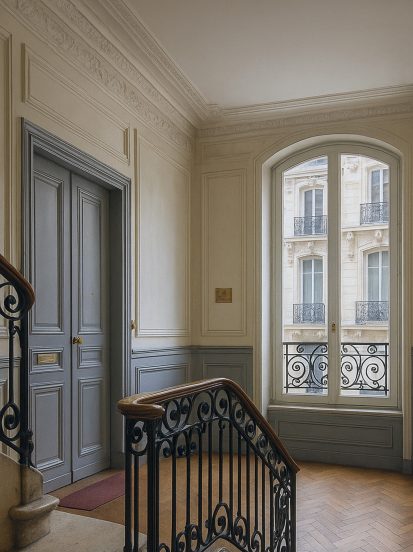
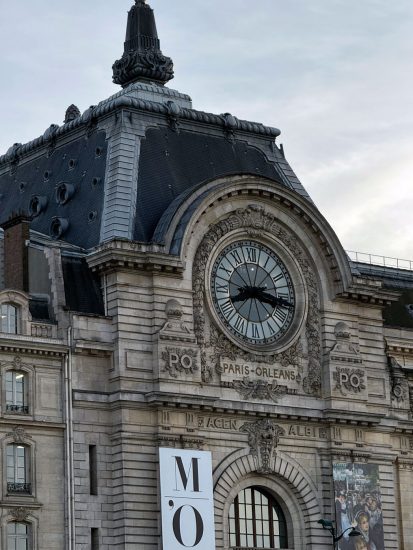
Saint-Germain-des-Prés is predominantly Haussmannian — built or significantly restructured in the second half of the nineteenth century, with the uniform stone facades, regular proportions, and defined apartment layouts that characterise that period. This makes it, from a management perspective, a more legible environment than the pre-Haussmannian fabric of the Marais. The buildings are generally easier to understand structurally, and the co-ownerships are usually more straightforwardly organised.
But legibility is not the same as simplicity. The 6th has its own set of management specificities that matter considerably to a foreign owner — and that are easy to underestimate if you have only experienced the neighbourhood as a visitor.
The gardien: a resource, a relationship, and a variable
The gardien de l’immeuble — the building’s live-in or part-time caretaker — has largely disappeared from most Paris arrondissements. In the 6th, particularly in the larger and better-maintained Haussmannian buildings, the gardien still exists with some regularity. This is not merely a historical footnote. It has direct implications for how a property is managed in the owner’s absence.
A gardien can receive deliveries, report an obvious problem, and provide a basic presence in the building. For a foreign owner who has no local management arrangement, the gardien becomes the default point of contact — and the default has serious limitations. A gardien works for the building and its syndic, not for the individual owner. They are not a representative, not a negotiator, not someone who will attend to your apartment specifically or advocate for your interests in a dispute. Their knowledge of your property extends to what is visible from the common areas and what neighbours report.
More significantly, the existence of a gardien changes the social dynamics of the building in ways that affect management. A management team that has a working relationship with the gardien operates differently from one that does not — access is more fluid, information flows more naturally, and early warnings about problems in adjacent units reach the right person more quickly. Building this relationship takes time and regular presence. It cannot be established on demand.
Co-ownership culture in a high-value residential building
The co-ownerships of the 6th arrondissement’s better buildings tend to be relatively well-run — professionally managed syndics, engaged co-owners, regular and properly convened assemblies. This is partly a function of the ownership profile: the residents and owners of properties in this arrondissement are generally financially literate, legally aware, and accustomed to expecting a certain standard of administration.
For a foreign owner, this cuts in two directions. On one hand, a well-managed building is easier to deal with: decisions are properly documented, charges are clearly explained, and the syndic is generally reachable. On the other hand, a well-engaged co-ownership expects its members to participate — to vote, to attend or be represented at assemblies, to respond to consultations within the timeframes specified. An absentee owner who never engages becomes, over time, the co-ownership’s least-considered interest.
In a building where significant capital works are periodically voted — facade restoration, roof replacement, lift modernisation, installation of double-glazing in heritage-compliant profiles — the difference between an owner who has been represented at every relevant assembly and one who has never appeared can be material to the financial outcomes they face.
The article on co-ownership in France provides the general framework for understanding how these assemblies work, the different majority thresholds for different types of decision, and what co-owners’ rights and obligations are. For the specific vocabulary of the documents you will receive as a co-owner, the glossary of real estate terms translates the most commonly encountered terms into plain English.
The moisture question on the Left Bank
The 6th arrondissement sits close to the Seine on its southern edge, and several of its most desirable streets — particularly those nearest the river and those in the lower parts of the Luxembourg sector — are in areas where the water table and ground moisture create specific building management challenges that are less pronounced further from the river.
Basement and cave moisture is a consistent issue in parts of the 6th. For owners who have storage space in the building’s lower levels, this needs active monitoring. More significantly, buildings on affected streets can experience moisture migration into ground-floor and first-floor units during periods of high rainfall or seasonal water table variation. A management team familiar with this pattern knows which buildings on which streets are more susceptible, and adjusts inspection priorities accordingly — rather than discovering a moisture problem after it has already caused damage.
Window performance is a related concern. Haussmannian windows, particularly on lower floors in wetter streets, are more likely to show condensation and frame deterioration from persistent damp. This is a maintenance consideration that requires periodic attention — and that is invisible to an owner who visits only in dry summer months.
The premium finish standard and what it means for maintenance decisions
Properties in Saint-Germain-des-Prés carry among the highest prices per square metre in Paris. This is relevant to management in a specific and often underappreciated way: the threshold between what is acceptable maintenance and what constitutes neglect is set higher by the value of the asset.
A water stain on a ceiling in a modestly priced apartment is a maintenance issue. The same stain in an apartment whose value per square metre places it in the top tier of the Paris market is a potential devaluation of a significant asset. The standard of finish expected by prospective buyers or tenants in the 6th is unforgiving. Work done by an unqualified artisan, or using materials that are technically adequate but aesthetically inappropriate for the building’s character, creates a visible downgrade that is difficult to undo without significant further expenditure.
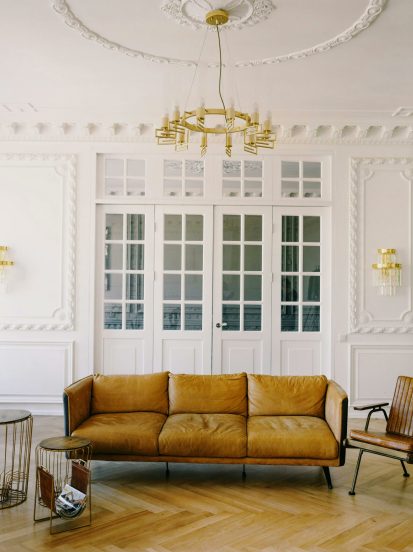
Good management in this context means not just coordinating repairs, but ensuring that those repairs are executed to a standard consistent with the property’s value and the neighbourhood’s expectations. This requires artisans with the relevant experience — parqueteurs who work in herringbone and point de Hongrie, plasterers who can match period moulding profiles, painters who understand the difference between renovation paint and the finishes appropriate for Haussmannian rooms with three-metre ceilings.
Management Situations Specific to the 6th Arrondissement
The high-value renovation and the expectations it creates
Many foreign buyers who purchase in the 6th undertake a renovation before or shortly after moving in — upgrading bathrooms and kitchens, refreshing finishes, sometimes reconfiguring layouts. These projects are significant undertakings in this market: the cost per square metre of renovation in a premium Haussmannian building is higher than in most other Paris contexts, both because of the finish standards required and because working in these buildings demands a specific level of care — protecting existing architectural details, working within the constraints of old structure, and managing access and waste removal in buildings with active, quality-conscious co-ownerships.
After a renovation, the property reaches a condition that requires active maintenance to preserve. A freshly renovated apartment that sits vacant for six months without proper oversight can develop issues — paint affected by humidity, flooring damaged by water ingress from an imperfect seal, woodwork that has moved without anyone adjusting it — that are expensive to address and visible to anyone who sees the property afterwards.
The team’s photo gallery of completed projects illustrates the range of renovation and maintenance work that has been coordinated on behalf of foreign owners in Paris — including properties where the standard of finish required careful artisan selection and close supervision.
Managing a high-value pied-à-terre used occasionally
The classic 6th arrondissement ownership profile is an affluent foreign owner — often American, British, or from the Gulf — who uses the apartment for a few weeks each year, values the neighbourhood deeply, and needs the property to be in impeccable condition each time they arrive. Between visits, the apartment may be empty for months.
This usage pattern creates a specific management rhythm. The property needs regular inspection throughout the year — not just before visits — to catch anything that develops during vacancy. It needs to be prepared precisely before each arrival: not generically cleaned, but made ready to the owner’s specific standards, with particular attention to the condition of linens, the functioning of all systems, and the absence of any issues that would require attention during the stay.
” An owner based in London arrives for a week in Paris to find that the bathroom tap has been dripping since the previous visit, leaving a faint rust mark on the sink basin. It is not a crisis — but it is the kind of detail that should not have waited seven weeks for the owner to notice it. A monthly inspection with a written report would have caught it at the third week.”
After each departure, the property needs to be properly secured and set to maintenance mode: heating adjusted to prevent condensation, windows checked, systems confirmed off or in standby. This closing process is as important as the opening one — and as easy to skip when no one is systematically responsible for it.
The building’s exterior works programme and its financial implications
Buildings in the 6th arrondissement are maintained to a high visual standard — partly because the co-owners expect it, partly because the neighbourhood’s character demands it, and partly because the city of Paris has its own requirements for the maintenance of facades on public streets. Facade restoration, stone cleaning, ironwork painting, and window replacement programmes cycle through the buildings of this arrondissement regularly.
For a foreign owner, these works represent significant financial obligations — the special levies for major building works can be substantial, and they arrive as formal calls from the syndic with payment deadlines that may not respect the owner’s calendar. Missing or misunderstanding these calls is not a minor administrative lapse: unpaid charges carry penalties, and persistent non-payment can create legal complications.
A local management team that monitors the building’s correspondence, reads the assembly minutes carefully, and alerts the owner to upcoming financial obligations — with sufficient notice to arrange payment and understand what the charge is for — is the difference between being in command of these costs and being surprised by them.
The discretion dimension
Owners in Saint-Germain-des-Prés are not always comfortable with the idea of their property’s management being visible in the building. In a neighbourhood where discretion is a social value, having contractors arrive and depart, having the building’s staff briefed by a representative, and having the syndic’s correspondence routed through a third party are all arrangements that require a certain finesse.
A management team that operates with appropriate discretion — that does not advertise its presence in the building, that maintains professional relationships without creating the impression of absentee ownership, and that handles sensitive matters without unnecessary visibility — fits the social culture of the 6th in a way that a more transactional approach would not. This is not a minor consideration in a neighbourhood where the building’s community is genuinely invested in its own character.
Saint-Germain-des-Prés Property Management: At a Glance
The table below summarises the key characteristics of the 6th arrondissement from a property management perspective for foreign owners.
| Topic | Details |
|---|---|
| Arrondissement | 6th (Luxembourg and Odéon sectors primarily) |
| Dominant building stock | Haussmannian (1850s–1900s), with some earlier 18th-century fabric on the oldest streets |
| Typical property types | Classic floor-through apartments, family flats above the 3rd floor, ground-floor studios with courtyard gardens, chambres de bonne conversions |
| Co-ownership profile | Generally well-structured and professionally managed; high-value buildings with active, engaged co-owner bodies |
| Gardien presence | More common than in most Paris arrondissements — a significant variable in day-to-day property oversight |
| Key management challenges | Moisture management near the Seine, premium finish expectations, high-value maintenance decisions, gardien relationship management |
| Ideal management profile | Affluent foreign owner, pied-à-terre or occasional residence, high standards for property presentation and communication |
What Local Management Looks Like in Saint-Germain-des-Prés
Inspections calibrated to the building and the season
Regular visits in a 6th arrondissement property are structured around the specific vulnerabilities of the building and the season. In autumn and winter, the focus shifts toward moisture monitoring — particularly in lower floors and cave spaces on streets close to the Seine — and heating system verification. In spring, post-winter assessment of window seals and any condensation damage. In summer, the extended vacancy that many owners create by spending July and August elsewhere requires particular attention to ventilation, shutters, and any work that was planned during the quieter months.
The written report after each visit is precise about condition, specific about any observations, and clear about recommended action. In a high-value property, a photograph of an early-stage water mark or a window seal that is beginning to fail is worth considerably more than a general note that the apartment is in good condition.
Artisan selection at the appropriate standard
Finding artisans who work to the standard expected in the 6th is not simply a matter of searching a directory. It requires knowing, through direct experience, which plasterers can accurately match period mouldings, which carpenters understand Haussmannian joinery, which plumbers have the patience and skill to work in buildings where access is constrained and the existing installations are complex. These are relationships built over repeated commissions — and they are not transferable from one neighbourhood to another without local knowledge.
For owners who have invested in high-quality renovation finishes, the choice of artisan for any subsequent maintenance or repair work is consequential. A poorly executed repair to a painted surface, a tile that does not match the existing bathroom, a floor board replacement that does not blend — each of these is a visible degradation of an asset that was precisely finished for a reason.
Assembly representation with substance
In a well-run 6th arrondissement co-ownership, the general assembly is a real event — attended by engaged co-owners, often chaired by a professional syndic who moves through a substantive agenda. Submitting a proxy vote and being genuinely represented are different things. A local representative who attends, who knows the building’s issues, and who can ask questions or raise concerns at the right moment provides a level of protection that a written proxy cannot.
This is particularly relevant when significant works are being voted on — facade programmes, lift replacement, collective insulation works — where the details of the contractor chosen, the timeline agreed, and the payment structure approved can all affect the individual owner’s experience and financial exposure.
Frequently Asked Questions
The questions below address what foreign owners of 6th arrondissement properties most commonly raise. Further guidance is available on the frequently asked questions page.
Is a property in Saint-Germain-des-Prés easier to manage than one in the Marais?
In certain respects, yes. The Haussmannian building stock of the 6th is structurally more uniform and generally better documented than the pre-Haussmannian fabric of the Marais. Co-ownership structures tend to be cleaner, and the buildings are usually professionally managed by competent syndics. What the 6th has instead is a different set of specific challenges: moisture management near the Seine, premium finish maintenance standards, high financial stakes in every maintenance decision, and a social culture in the building that rewards discretion and consistent presence. Neither neighbourhood is harder to manage in absolute terms — they require different knowledge and different relationships.
What is the role of the gardien in managing my property as a foreign owner?
The gardien is a resource, not a substitute for local management. They can provide useful day-to-day information, receive deliveries, and report obvious issues. What they cannot do is act as your representative, manage your maintenance needs, liaise with your insurer, attend an assembly on your behalf, or produce inspection reports for your records. Their role is to serve the building collectively. A management team’s role is to serve your specific interests within that building — and those are not the same thing.
How does moisture near the Seine affect specific streets in the 6th?
The effect is not uniform across the arrondissement. Streets closest to the Seine — along the Quai de Conti, the Rue Dauphine, and the lower streets of the Saint-Germain sector — are more likely to experience ground moisture effects than those further from the river toward the Luxembourg Gardens. The specific vulnerability of any given building depends on its age, its construction type, the depth of its basement, and the drainage history of the street. A management team familiar with the neighbourhood’s geography can assess this for a specific building during an initial inspection, and adjust the surveillance programme accordingly.
My apartment was renovated to a high standard before I purchased it. Does it still need active management?
Particularly so. A property that has been recently finished to a high standard requires monitoring precisely because the investment in those finishes makes any deterioration more visible and more costly to address. Vacancy amplifies this: humidity accumulates, minor issues develop unobserved, and the gap between the property’s current condition and the condition expected by the owner on arrival widens with each week that passes without inspection. The better the initial finish, the more important it is that ongoing management maintains the baseline rather than allowing it to drift.
Can the management team help me coordinate a renovation in the 6th?
Yes. Coordinating renovation work in a 6th arrondissement property — from artisan selection through to final sign-off — is part of the management service for owners undertaking works. This includes identifying contractors with the specific skills required for the building type, obtaining and comparing quotes, managing access and building relationship during the works period, supervising quality at key stages, and confirming completion before the contractor is released. For owners whose building may have heritage protections affecting the exterior, the team can also advise on the requirements and timeline before works are engaged.
How do I ensure I am properly represented at the building's general assembly?
By having a local representative with a formal mandate to attend and vote on your behalf. The mandate sets out the scope of their authority — which resolutions they are instructed to vote for or against, and whether they have discretion on any items not specifically addressed. The representative reviews the agenda in advance, provides you with a clear briefing on the key decisions, and reports back after the assembly with a summary of what was decided and any implications for your property. For owners who have never received a French general assembly convocation, the team can also explain what the document contains and what it requires.
What happens when significant building works are voted and I face a special levy?
The team monitors all correspondence from the syndic, including the formal documentation of works voted at assembly and the associated payment calls. When a levy is issued, you receive a clear explanation of what it covers, the payment deadline, and the amount due — in English, with enough notice to arrange payment from wherever you are based. If the levy was not anticipated, or if you have concerns about the works or the co-ownership’s handling of the project, the team can advise on what options are available to a co-owner in that situation. For anything involving legal rights or formal objections, a French legal professional should be consulted.
What makes a management arrangement in this neighbourhood different from a generic Paris service?
Neighbourhood-specific management means knowing the buildings, the social dynamics, the physical environment, and the professional network that makes things actually work. In the 6th, this means understanding the gardien relationship, the moisture patterns of different streets, the finish standards expected in this market, and the culture of the co-ownerships in this type of building. A generic property management service can perform routine inspections anywhere in Paris. Management that is genuinely calibrated to Saint-Germain-des-Prés draws on knowledge and relationships that are specific to this neighbourhood and cannot be imported from elsewhere.
Saint-Germain-des-Prés, Managed With the Attention It Deserves
A property in Saint-Germain-des-Prés is among the most considered real estate decisions a foreign buyer can make in Paris. Managing it well from abroad requires a local arrangement that matches the quality of the asset: consistent, informed, discreet, and genuinely attentive to the neighbourhood’s specific management environment.
Real Estate Caretaking works with foreign owners throughout the 6th arrondissement, bringing direct familiarity with its building stock, its co-ownership culture, and the maintenance standards its properties require. For owners whose situation is defined by American ownership or seasonal second-home use, the pages on property management in Paris for American owners and second home management in Paris offer complementary context.
To understand the team’s approach to this work, the who we are and our philosophy pages give a clear account of how Real Estate Caretaking is structured and what values guide it.
For a confidential conversation about your property in Saint-Germain-des-Prés and what management support would be appropriate, the team is available at any time. You are welcome to contact us directly.
For owners at an earlier stage of their relationship with the neighbourhood — exploring it as a potential purchase location — the article Four Neighborhoods to Fall in Love with in Paris offers a cultural portrait of the 6th alongside three other arrondissements that attract international buyers. The Real Estate Caretaking blog covers further topics relevant to owning and managing property in Paris as an international owner.
Let's stay connected
Contact your agent
Real Estate Caretaking supports you every step of the way: searching, purchasing, rental management, or monitoring your second home.
A tailor-made solution for investing or living in Paris with complete peace of mind.
- +33 (0) 6 79 99 69 76
- martinehillion@gmail.com