

The day the acte authentique is signed is, for most buyers, the emotional peak of the process. The months of searching, the negotiations, the notarial paperwork, the wire transfer: all of it culminates in a set of keys and a document confirming that the apartment is now yours.
Then you get on a plane back to New York or Los Angeles or London, and the apartment begins its life as your property — without you there to attend to it.
The first 90 days of ownership are the period when the foundations of a well-managed Paris property are either laid or not. The administrative transitions that should happen do not happen by themselves. The insurance, the syndic registration, the utility accounts, the management arrangement: none of these organise themselves. Left unaddressed, each creates a category of friction that accumulates quietly until it becomes visible as a problem.
This article maps what those 90 days actually involve — what needs to happen, in roughly what sequence, and what the difference is between an ownership that starts well and one that starts with avoidable gaps.
Week One: The Administrative Foundations
Notify the syndic immediately
The first thing to do after completion is contact the building’s syndic de copropriété in writing and notify them of the change of ownership. Provide your name as the new owner, your correct contact details — an email address you monitor reliably — and request that all future correspondence be sent to you directly.
This step sounds trivial. Its consequences when not taken are not. The syndic will continue sending correspondence to whoever is on their records. If that is the previous owner, you will miss assembly convocations, financial calls, maintenance notifications, and any urgent communications about the building. The syndic has no obligation to track you down; their obligation is to send correspondence to the address on their records.
The written notification should also confirm your bank details for the payment of co-ownership charges, or request information about the syndic’s preferred payment method. Some syndics use online portals — registering immediately, rather than when the first payment is due, saves time later.
Review and update the insurance
If the previous owner’s insurance covered the property until the date of completion, that coverage ends at completion. Your coverage must begin at the same moment — ideally confirmed before the keys are handed over.
For a non-resident owner, the insurance policy needs to reflect your actual usage pattern: a property that will be unoccupied for extended periods, potentially without a managing agent present during those absences. Standard home insurance policies vary significantly in how they handle vacancy, and the terms that apply to your policy are the ones in your specific contract — not general descriptions of what French home insurance typically covers.
Read the vacancy clauses in your policy before you leave Paris. If anything is unclear, call the insurer and get clarification in writing. For a property that will be empty for months at a time, understanding what your policy does and does not cover during those periods is basic financial protection.
Establish the utility accounts
Electricity, gas, water, and internet accounts must be transferred to the new owner’s name. In France, utilities are managed by the occupant or owner of the property, not by the landlord in any collective sense. The changeover is typically handled with the assistance of the notaire at completion, but confirming that each account has actually been transferred — and that direct debits are being taken from the correct bank account — in the first week avoids the gap where bills are going to the previous owner or not being paid at all.
For a non-resident owner managing this from abroad, having a local contact who can confirm the physical state of the accounts — checking that the metres have been read at completion, confirming the connection is active — removes a category of uncertainty that can otherwise persist for weeks.
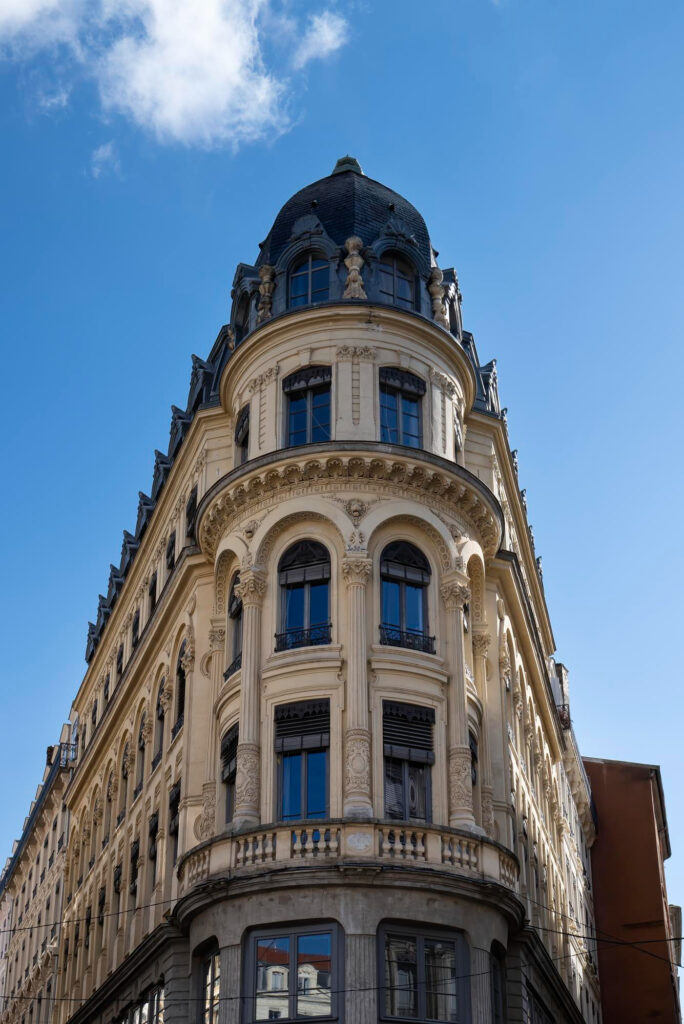
Weeks Two to Four: Establishing the Management Relationship
The first property visit
The first professional visit to the apartment after completion serves a purpose that goes beyond checking that everything is in order. It establishes the baseline — the documented starting condition against which everything that follows is measured. A written report with photographs, produced by the team that will manage the property going forward, creates the reference point for every subsequent inspection.
This baseline matters practically: if a water stain appears on the ceiling three months later, the inspection report from the first week confirms whether it was there at completion (and therefore potentially the seller’s responsibility or an existing condition) or whether it is new (and therefore a developing issue that requires investigation). Without that baseline, the question cannot be answered reliably.
The inspection programme that follows from this initial visit — monthly or bi-monthly checks, written reports, photograph documentation — is described on the home watch services page.
Meeting the building’s key contacts
In the first weeks, it is worth ensuring that the building’s key contacts know who is managing the apartment. The gardien, if there is one, should know who to call if they notice something wrong. The syndic should have the management team’s contact details as an additional point of contact for the property. Any neighbours who have been informed of the change of ownership should have a local contact for non-urgent matters.
This is not about creating a formal structure — it is about ensuring that the informal information network of the building includes someone who can act on your behalf. In a building where the gardien notices a water mark under your front door on a Tuesday morning, the difference between knowing who to call and not knowing is the difference between a phone call and a problem that sits unaddressed until someone with authority over the apartment can be located.
Reviewing the co-ownership documents properly
The days immediately after completion are also the moment to read — or have read and summarised for you — the co-ownership documentation that was provided as part of the purchase. The règlement de copropriété, the most recent general assembly minutes, and the building’s maintenance log.
Most buyers receive these documents, glance at them, and file them without reading. In the weeks after completion, when there is no immediate pressure, reading them or having them professionally reviewed gives you the knowledge to understand what your building’s upcoming obligations are, what decisions are pending, and whether there are any issues in the co-ownership’s situation that will require your attention in the near term.

Month Two: The First Administrative Touchpoints
The first syndic communication
At some point in the first few months, the syndic will send something — a quarterly charge call, a notification about a maintenance item, a convocation for an assembly. This is the moment when the administrative setup from week one either proves its value or reveals its gaps.
If your email address was correctly registered, the communication arrives where it should. If the syndic’s portal was set up, the document is accessible online. If the local management team is monitoring the building’s correspondence, the relevant items are flagged and explained before they require action.
For owners who did not complete the week-one administrative setup, this first syndic communication tends to arrive at an inconvenient moment, in French, requiring a response or a payment within a deadline that was not anticipated. This is not a crisis — but it is the first instance of the pattern that defines unmanaged non-resident ownership.
The insurance confirmation
By the end of the first month, it is worth confirming with your insurer that the policy is correctly set up — that the correct address is insured, that the coverage reflects the property’s actual use, and that the vacancy provisions are understood. If the insurer requires notification when the property will be unoccupied for longer than the policy’s standard threshold, this is the moment to understand what that process involves before the first extended absence, not during it.
Month Three: The Ownership Is Running — Is It Running Well?
The first inspection report
By the end of the third month, at least one professional inspection of the property should have taken place and produced a written report. Reading this report is a different experience from the initial viewing. The apartment is now yours, not a property you are considering. The report tells you what your apartment is actually doing — which systems are performing as expected, which areas warrant monitoring, and whether anything has developed since completion that requires attention.
For owners who are managing from the United States, this report is the first concrete evidence of whether the management arrangement they have put in place is producing the information they need. A report that says ‘property visited, all in order’ without specific detail is a report that tells you very little. A report that says ‘bathroom ceiling shows a 5cm condensation mark near the extractor fan, consistent with insufficient ventilation — recommend checking seal around fan housing at next visit’ is a report that is doing its job.
The question worth asking at the 90-day mark
Three months into ownership, it is worth asking a simple question: do I know what my apartment is doing right now? Not in general terms — not ‘it’s probably fine’ — but specifically. Is the heating set to a frost-protection temperature? Has the syndic sent anything that requires a response? Is there anything developing in the building that will have financial implications in the next six months?
An owner who can answer these questions with confidence — because they have a management arrangement that is providing this information — has set up their Paris ownership well. An owner who cannot is in the position of hoping that nothing is going wrong, rather than knowing.
The complete framework of what ongoing non-resident ownership in Paris involves — from the administrative calendar to the long-term planning decisions — is covered in the guide owning a Paris apartment from abroad.
For owners who are in the first weeks of ownership and want to put the right management arrangement in place from the start, the simplifying the management of your property page describes the team’s approach. For a direct conversation about what your specific property requires, you are welcome to contact the team at any time.

A Note on Starting Well
When American buyers ask whether they can buy a Paris apartment remotely, the question they are often really asking is: can I trust the process without being there to oversee it myself? The answer is yes — if the right people are in place.
The French notarial system is designed to protect both parties, not just the seller. The due diligence documents are legally required to be provided. The notaire has a professional obligation of impartiality. The compromis protects the buyer with the ten-day cooling-off period and with any conditions suspensives that have been agreed.
What the system does not provide is someone who knows the Paris property market, knows what a fair price for this type of property in this building in this condition should be, knows which co-ownerships to avoid and which buildings have well-run syndicates, and can attend the completion as your representative with confidence and competence. That requires a professional local relationship — one that exists before the search begins, not one assembled when the property has already been found.
For buyers considering how to structure the right support for a remote Paris purchase, the choosing the right property expert page explains what to look for.
For a confidential conversation about a specific purchase you are considering, the team is available at any time — you are welcome to contact us directly.
Tags
Related Articles

Buying a Pied-à-Terre in Saint-Germain-des-Prés : What International Buyers Should Know