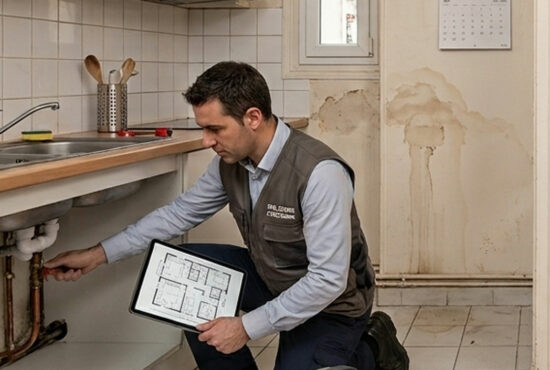
A maintained property has had its systems serviced, its inspections completed, its syndic correspondence monitored. It is in good condition. But good condition and ready are not the same thing. A property that is ready is the one you walk into after a transatlantic flight and find exactly as you expected it: aired, warm, every light working, the boiler lit, the hot water instant, the kitchen clean enough to use immediately, no list of things to sort out before you can settle in.
The difference between maintained and ready is the difference between a property that works technically and one that works for you — that functions as the retreat, the base, the particular kind of Parisian experience you acquired it to provide. Achieving the second standard consistently, across twelve months of variable seasons and from a home base on the other side of the Atlantic, is what this article is about.
Defining What ‘Ready’ Means for Your Property
Readiness is personal — and worth writing down
The readiness standard for a pied-à-terre used by a single person for two weeks in spring is not the same as the readiness standard for a large apartment used by a family of four for six weeks in summer. Both owners want their property to be ready when they arrive — but what ready means differs in specific, practical ways.
The most useful thing a second-home owner can do early in their ownership is to write down, precisely, what they expect to find when they arrive. Not as a wish list, but as an operational specification: which rooms should be aired, what temperature the apartment should be, which appliances should be confirmed in working order, whether fresh provisions should be available, whether specific items (a particular brand of coffee, a type of mineral water) should be stocked. The more specific this list, the more reliably it can be executed by a local team that is preparing the apartment in the owner’s absence.
This written readiness specification is also the document that eliminates the most common source of friction between non-resident owners and their management teams: the gap between what the owner expected and what the team delivered, which is almost always a gap in specification rather than a gap in execution.
The difference between a visit-readiness checklist and a year-round programme
Most owners who think about apartment preparation think about it in relation to specific visits: I am arriving on the 14th, I need the apartment ready by the 13th evening. This visit-specific preparation is the visible expression of readiness — the thing that is directly experienced. But the year-round programme that makes reliable visit-readiness possible is different and more demanding.
A property that is ready on arrival in October has been consistently monitored through the summer. Its systems have been checked. Its drainage has been cleared. Its windows have been assessed and any seal failures addressed before the autumn rains. The preparation the week before arrival is not a rescue operation — it is the final step of a programme that has been running continuously. An apartment whose pre-arrival preparation is the beginning of its maintenance, rather than the end of it, will consistently disappoint.
The Year-Round Readiness Calendar
The table below maps the full twelve-month cycle of a Paris second home readiness programme, period by period. Each period has specific priorities driven by the season, the building’s natural rhythms, and the typical pattern of owner absence.
⚠️ The ‘what goes wrong’ column describes the ordinary consequences of absent oversight — not catastrophic scenarios but the routine deterioration of a property’s readiness that accumulates when no one is systematically responsible for it.
| Period | What the Readiness Programme Covers | Without Programme: What Goes Wrong | With Programme: What the Owner Experiences |
|---|---|---|---|
| Sept–Oct Post-summer |
End-of-summer ventilation check. Post-heat inspection of window seals and shutter fittings. Gutters and roof drainage cleared before autumn rains. Heating system checked and serviced before the first cold spell. Cave and basement moisture check. | Arrival in mid-October at a property left closed all summer without inspection. Musty smells, stuck windows and a cold apartment because the boiler has not been started. | Heating confirmed operational, windows adjusted and drainage cleared. October arrival is seamless. |
| Nov–Dec Early winter |
Frost-protection temperature confirmed on the thermostat. Boiler service completed if not done in autumn. Insurance policy reviewed to confirm the winter vacancy clause. General assembly notice received and proxy arranged. | Boiler fails on the first cold night of December. The owner calls from the US but cannot find an emergency plumber. Christmas visit cancelled or severely disrupted. | Boiler serviced in October. December visit confirmed. Assembly proxy submitted on time. |
| Jan–Feb Deep winter |
Monthly inspections focused on moisture, heating performance and window condensation. Post-holiday building maintenance alerts from the property manager monitored. | Water infiltration develops in January and remains undetected until March. Damage becomes extensive and the insurance claim is filed too late. | January inspection detects ceiling damp early. Claim filed the same week. Damage remains limited. |
| Mar–Apr Spring / AG season |
Spring inspection and post-winter condition assessment. Window seals renewed if needed. General assembly attendance or proxy vote. Co-ownership accounts reviewed and approved works recorded for financial planning. | Assembly missed and a significant facade levy voted in the owner's absence. The obligation is discovered when the invoice arrives in June. | Owner briefed on the agenda before the assembly. Levy anticipated and payment arranged in advance. |
| May–Jun Pre-visit preparation |
Pre-arrival inspection. Heating, hot water, appliances and lighting checked. Apartment aired and minor winter maintenance completed. Property prepared for arrival. | Owner arrives after a long flight. Boiler is off and a bathroom tap is dripping. The first two days are spent organising repairs. | Team visits 48 hours before arrival. Every issue is resolved. The owner walks into a ready apartment. |
| Jul–Aug Extended vacancy |
Summer closure protocol: heating set to minimum, shutters adjusted for ventilation and appliances checked. Monthly visits during absence. Pest checks for buildings near green spaces. | Apartment improperly closed in July. August heat damages window seals. September return reveals moisture penetration and warped flooring. | Closure checklist completed and monthly summer visits carried out. September inspection confirms no issues. Arrival is smooth. |
Sept–Oct | Post-summer
What the Readiness Programme Covers
End-of-summer ventilation check. Post-heat inspection of window seals and shutter fittings. Gutters and roof drainage cleared before autumn rains. Heating system checked and serviced before the first cold spell. Cave and basement moisture check.
Without Programme: What Goes Wrong
Arrival in mid-October at a property left closed all summer without inspection. Musty smells, stuck windows and a cold apartment because the boiler has not been started.
With Programme: What the Owner Experiences
Heating confirmed operational, windows adjusted and drainage cleared. October arrival is seamless.
Nov–Dec | Early winter
What the Readiness Programme Covers
Frost-protection temperature confirmed on the thermostat. Boiler service completed if not done in autumn. Insurance policy reviewed to confirm the winter vacancy clause. General assembly notice received and proxy arranged.
Without Programme: What Goes Wrong
Boiler fails on the first cold night of December. The owner calls from the US but cannot find an emergency plumber. Christmas visit cancelled or severely disrupted.
With Programme: What the Owner Experiences
Boiler serviced in October. December visit confirmed. Assembly proxy submitted on time.
Jan–Feb | Deep winter
What the Readiness Programme Covers
Monthly inspections focused on moisture, heating performance and window condensation. Post-holiday building maintenance alerts from the property manager monitored.
Without Programme: What Goes Wrong
Water infiltration develops in January and remains undetected until March. Damage becomes extensive and the insurance claim is filed too late.
With Programme: What the Owner Experiences
January inspection detects ceiling damp early. Claim filed the same week. Damage remains limited.
Mar–Apr | Spring / AG season
What the Readiness Programme Covers
Spring inspection and post-winter condition assessment. Window seals renewed if needed. General assembly attendance or proxy vote. Co-ownership accounts reviewed and approved works recorded for financial planning.
Without Programme: What Goes Wrong
Assembly missed and a significant facade levy voted in the owner's absence. The obligation is discovered when the invoice arrives in June.
With Programme: What the Owner Experiences
Owner briefed on the agenda before the assembly. Levy anticipated and payment arranged in advance.
May–Jun | Pre-visit preparation
What the Readiness Programme Covers
Pre-arrival inspection. Heating, hot water, appliances and lighting checked. Apartment aired and minor winter maintenance completed. Property prepared for arrival.
Without Programme: What Goes Wrong
Owner arrives after a long flight. Boiler is off and a bathroom tap is dripping. The first two days are spent organising repairs.
With Programme: What the Owner Experiences
Team visits 48 hours before arrival. Every issue is resolved. The owner walks into a ready apartment.
Jul–Aug | Extended vacancy
What the Readiness Programme Covers
Summer closure protocol: heating set to minimum, shutters adjusted for ventilation and appliances checked. Monthly visits during absence. Pest checks for buildings near green spaces.
Without Programme: What Goes Wrong
Apartment improperly closed in July. August heat damages window seals. September return reveals moisture penetration and warped flooring.
With Programme: What the Owner Experiences
Closure checklist completed and monthly summer visits carried out. September inspection confirms no issues. Arrival is smooth.
The Three Functions That Work Together to Create Readiness
Year-round readiness is not produced by a single service — not by home watch alone, not by concierge preparation alone, not by maintenance coordination alone. It is produced by the integration of all three, delivered by a team that knows the property and understands the owner’s standard.
Home watch: the early-warning function
Regular inspections — monthly at a minimum, more frequently during high-risk periods — create the ongoing visibility into the property’s condition that an absent owner cannot maintain themselves. The inspector who visits every four weeks knows what the apartment looked like last month. They notice what has changed: a new damp patch, a window that now rattles slightly, a smell in the bathroom that was not there before. This pattern recognition is what turns inspection from a bureaucratic exercise into a genuine early-warning system.
For readiness specifically, the inspection function ensures that issues are caught during the monitoring cycle — when they are small, addressable, and inexpensive — rather than during the pre-arrival check, when they become things that need to be explained to an owner who is about to land.
The structured inspection programme that provides this kind of continuous visibility is described on the home watch services page.
Maintenance coordination: the system-keeping function
Readiness requires that every system in the apartment is functional at the moment of arrival. The boiler that has not had its annual service may work fine — or may choose the first cold evening of the owner’s stay to demonstrate why the service was worth doing. The washing machine connection that has never been inspected will fail at a moment that is inconvenient by definition.
The maintenance coordination function ensures that servicing happens on schedule, that minor repairs are addressed as they are identified during inspections, and that the artisan network is already in place when something needs urgent attention rather than assembled in real time during a crisis. This is the function that keeps the property’s systems in the state they need to be in for the readiness standard to be consistently met.
The maintenance obligations that apply to Paris apartments regardless of occupancy — and the approach to coordinating them for non-resident owners — are described on the Paris property maintenance page.
Concierge preparation: the arrival function
The pre-arrival preparation is the function most directly experienced by the owner — the one whose quality is assessed on the evening of arrival. But it is also the function most dependent on the two that precede it. A pre-arrival check that discovers a non-functioning boiler two days before arrival is a problem that the monitoring programme should have caught two months earlier. A pre-arrival preparation that consists of airing, setting temperature, confirming all systems, and completing any final touches is the last step of a well-running programme, not the first.
The specific content of the pre-arrival preparation — what is checked, what is stocked, what is prepared — is defined by the owner’s readiness specification and executed by the team that has been monitoring the property through the year. The team that arrives to prepare the apartment for your return already knows the apartment: which windows stick, which radiator takes longer to warm, where the guest towels are kept. The preparation they deliver is informed by that knowledge.
The pre-arrival preparation service and the broader concierge functions it connects to are described on the Paris concierge services page.
What Consistent Readiness Actually Looks Like
The arrival that requires nothing
The measure of a well-run second home is simple: the owner arrives, and nothing requires their attention. Not immediately, not that evening, not the next morning. The apartment is in the condition it was when they last left it, plus whatever improvements have been made in the interim. The boiler has been running since the team visited two days before. The hot water is immediate. The kitchen is clean. If provisions were requested, they are there.
This arrival experience — which sounds unremarkable and is, in reality, the result of a continuous programme running through the year — is what makes the second home feel like what it was acquired to be: a place of immediate comfort, not a management project.
The owner who arrives in Paris expecting a retreat and instead spends the first day managing a maintenance problem is not experiencing bad luck. They are experiencing the ordinary consequence of a property that has not been kept ready — that has been maintained in a technical sense but not managed in the way that produces readiness.
The departure that leaves nothing unresolved
The other side of the readiness cycle is departure. A property that is properly closed after a visit — heating set to frost protection, windows secured, appliances confirmed off, shutters positioned for ventilation without rain ingress — begins the next monitoring cycle in a known state. A property that is closed in a hurry, by an owner focused on catching a flight, begins the next cycle with whatever was left unchecked.
The departure protocol is as much a part of the readiness programme as the arrival preparation. A local team that conducts a post-departure check — confirming the property is properly closed, noting anything that needs attention before the next visit, and beginning the monitoring cycle from a confirmed baseline — provides continuity that an owner cannot provide themselves when they are already at the airport.
Building the Programme Around Your Usage Pattern
The occasional user: two or three visits per year
For an owner who visits Paris two or three times a year — perhaps a spring trip, a summer stay, and an autumn or winter visit — the readiness programme needs to maintain the property reliably across the extended gaps between visits. Monthly inspections throughout the year, pre-arrival preparation for each stay, and a post-departure close after each departure provide the continuous coverage that makes each arrival reliable.
The most critical period for the occasional user is the longest absence — typically summer, when three or four months may pass without the owner’s presence. The summer monitoring programme for this usage pattern should be more attentive than the shoulder-season programme: more frequent inspections, specific attention to heat-related risks, a deliberate post-summer assessment before the autumn visit.
The frequent user: monthly or bi-monthly visits
An owner who visits Paris more frequently — every month or every other month — has a different readiness profile. The apartment is never vacant for long enough that the most serious vacancy risks accumulate. But the more frequent use also means more wear: more appliance cycles, more heating and cooling cycles, more occasions on which something minor might be noted and deferred rather than addressed.
For the frequent user, the pre-arrival preparation is the dominant readiness function — ensuring that each visit begins cleanly rather than carrying over unresolved items from the previous one. The inspection programme, while still valuable, is complemented by the owner’s own observations during each visit, which provide a more continuous feedback loop than is available to the occasional user.
The transitional owner: planning to sell or change use
An owner who is planning to sell the property, or to change its use — from personal use to rental, or from rental to full-time occupation — has a readiness programme oriented toward a specific endpoint. The property needs to be in the condition that maximises its value at the moment of transaction, or that makes the transition to the new use seamless.
For this owner, the readiness programme is as much about presentation as about maintenance: addressing deferred items, refreshing finishes where needed, ensuring that the building’s documentation is current and the co-ownership’s affairs are in order. A local team that has been monitoring the property and knows its condition provides the baseline assessment that makes the transition planning realistic rather than optimistic.
For owners considering what level of second-home management is appropriate for their specific usage pattern and property, the second home management in Paris page covers the full range of considerations.

Frequently Asked Questions
Further guidance on second-home ownership in Paris is available on the frequently asked questions page.
How many times a year does the apartment need to be inspected to maintain readiness?
For most second homes used two to four times per year, monthly inspections provide the right baseline. During extended absences — particularly summer — some owners opt for bi-weekly visits. The appropriate frequency depends on the property’s history, its building type, and the owner’s risk tolerance. An apartment with previous water incidents warrants more frequent inspection than one with a clean record. The inspection schedule is agreed at the outset and can be adjusted as circumstances change.
What is the difference between a pre-arrival preparation and a standard cleaning?
A standard cleaning addresses surfaces. A pre-arrival preparation addresses the property’s readiness to be used: systems checked and operational, heating at the right temperature, appliances confirmed working, any pending minor maintenance items resolved, and — if the owner has specified it — provisions in place. A cleaning team prepares the apartment to look clean. A concierge preparation prepares it to be lived in immediately. For a second home whose owner arrives after a long flight and expects to settle in that evening, the distinction matters considerably.
Can the team manage the property if I do not have a regular visit schedule?
Yes. The readiness programme is designed around the property’s needs and the owner’s general usage pattern, not around a fixed calendar. If a visit is confirmed at short notice, the pre-arrival preparation is calibrated to that timeline. If a planned visit is cancelled, the programme continues without interruption. The team manages the property throughout the year — the owner’s visit schedule determines when the pre-arrival function is activated, not when the monitoring runs.
What happens if I want to make changes to my readiness specification?
The readiness specification is a living document — it can be updated at any time as the owner’s preferences, the property’s condition, or the usage pattern changes. Adding a specific provision request, adjusting the pre-arrival temperature protocol, changing the frequency of inspections during a particular period: these are all routine adjustments that are communicated to the team and incorporated into the programme. The value of a written specification is precisely that it can be updated precisely — rather than relying on verbal communications that may be interpreted differently by different people.
A Second Home That Is Ready When You Are
The Paris second home that consistently delivers the experience its owner intended — the immediate comfort, the seamless arrival, the sense of having a reliable base in one of the world’s most singular cities — is not maintained by good fortune. It is maintained by a programme that runs through the year, that is calibrated to the owner’s standard, and that is delivered by a team that knows the property as well as the owner does.
Twelve months of year-round readiness, for an owner living abroad, is the result of integrating three functions — home watch, maintenance coordination, and concierge preparation — into a single coherent relationship with the property. None of these functions alone produces consistent readiness. Together, delivered by a team that understands both the property and the owner’s expectations, they do.
Real Estate Caretaking supports second-home owners across Paris with exactly this kind of integrated programme. The team’s values and approach to this work are described on the who we are and our philosophy pages.
For a confidential conversation about your Paris second home and the readiness programme that would work for your usage pattern and property, you are welcome to contact us directly.
Tags
Related Articles